


Photo provided by DepositPhotos
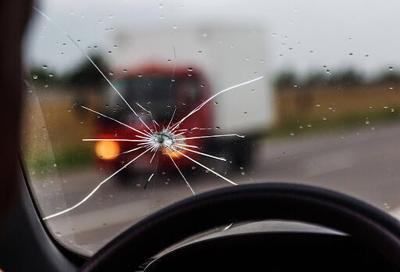
A cracked windshield may seem like a minor annoyance. In reality, where a vehicle is driven can significantly affect how likely that damage is to occur.
Publicly available data on hail frequency, temperature extremes, road construction, and commuting patterns shows clear geographic risk trends. Some states face repeated severe storms. Others combine intense heat with heavy highway traffic. Together, these factors create conditions that increase stress on vehicle glass.
Here is what the data shows.
Hail Alley: Where Severe Storms Increase Windshield Risk
Hail is one of the most common weather-related causes of vehicle damage in the United States. According to the National Oceanic and Atmospheric Administration, central Plains states consistently report the highest number of severe hail events each year.
People are also reading…
Texas, Colorado, Nebraska, Kansas, and Oklahoma frequently rank near the top for annual hail reports. Many of these storms include hailstones one inch in diameter or larger, large enough to crack or shatter auto glass.
Even smaller hail can weaken a windshield’s surface. Over time, repeated impacts may create chips that spread under additional stress. In regions with active storm seasons, vehicles parked outdoors face elevated exposure for months at a time.
Hail is only one part of the overall risk picture.
Extreme Heat and Temperature Swings Add Pressure
Temperature fluctuations place additional strain on windshield glass.
Glass expands in heat and contracts in cold. When a windshield already has a small chip or microfracture, sudden temperature changes can cause that damage to spread. Rapid cooling during storms followed by high heat can increase this effect.
Meteorological data shows that Southwestern and Southeastern states regularly experience prolonged periods of high temperatures. Northern states often experience wide seasonal temperature swings and freeze-thaw cycles.
States such as Arizona, Nevada, and Florida frequently record extended heatwaves. Northern regions, including parts of the Midwest and Northeast, face some of the largest temperature differences between summer and winter. In both cases, environmental stress can accelerate crack expansion.
Road Construction and Highway Debris
Weather-related damage is only one factor influencing windshield risk. Road conditions and driving exposure also play a role.
Federal transportation data shows that states with high infrastructure spending often have more active construction zones. These zones increase exposure to loose gravel, heavy truck traffic, and airborne debris, all common causes of rock chips.
Commute patterns can also influence overall road exposure. In densely populated states, drivers often navigate multi-lane highways, interstates, and active work zones more frequently than those in less populated regions. Spending extended periods on high-speed roads may increase the likelihood of encountering loose gravel, tire fragments, or other debris that can strike a windshield.
More miles driven means more opportunities for impact.
Where Multiple Risk Factors Overlap
When hail frequency, temperature volatility, road construction activity, and commute length overlap, certain states face compounded exposure.
Central Plains states contend with frequent severe storms. Southern states combine heat stress with long driving distances. Highly populated regions often add heavy construction activity to the mix.
Individual outcomes vary based on driving habits and parking conditions. The data suggests geography plays a measurable role in windshield vulnerability.
Drivers who notice chips or cracks should address them quickly, especially in high-risk regions. Professional guidance on auto windshield replacement services can help determine whether repair is sufficient or if full replacement is necessary. Understanding the signs your windshield needs replacement is particularly helpful in areas with frequent hail or temperature swings.
Why These Trends Matter Beyond Cosmetic Damage
Windshields serve more than an aesthetic function. Federal safety agencies state that intact auto glass contributes to roof support during rollover incidents and helps maintain passenger compartment integrity.
Climate patterns continue to shift, and infrastructure investment remains active across many states. Exposure to severe weather and construction zones may remain elevated in certain regions. For insurers and service providers, geographic risk patterns may influence claim frequency and repair demand. For drivers, awareness can reduce long-term costs and potential safety concerns.
Windshield damage may appear minor at first glance. National data on weather, infrastructure, and commuting shows that location plays a meaningful role in risk. Recognizing these patterns allows drivers to take preventative action, especially in regions where hail, heat, and highway hazards intersect.
Understanding geographic exposure is the first step toward protecting vehicle value and passenger safety.