


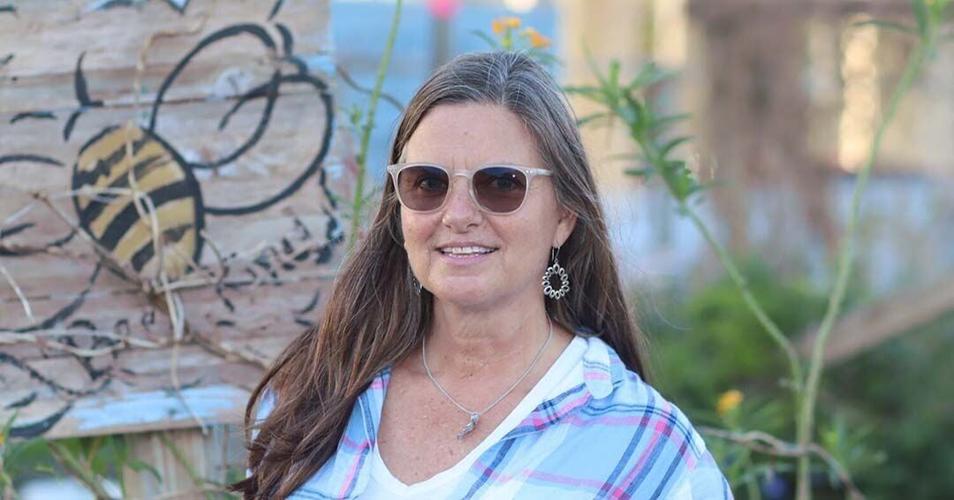
Cultivating the earth can do more than help plants grow. For Auburn alumna Elizabeth Eubanks, it creates connections, brings people together and builds a sense of community.
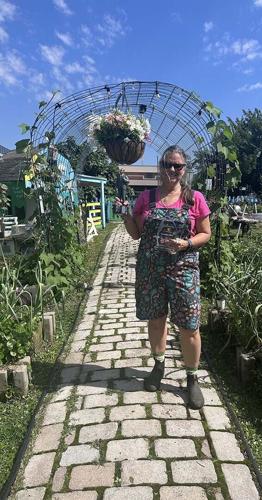
For the past 11 years, Eubanks has served as the lead gardener for From the Ground Up, a community garden in Pensacola, Florida. The garden offers more than a place for plants to grow. It provides opportunities for people to find nourishment through educational programs, community partnerships, art, music and horticultural activities. It is a place to connect with both the natural world and each other.
“I think it's the community outreach that really motivates me, just bringing people together,” Eubanks said. “Whether it's a concert or a movie, school groups coming in, papermaking or using turmeric for art and health reasons, those are the things that stimulate and motivate me.”
People are also reading…
Her appreciation for hands-on learning began long before she found her way to the garden. Eubanks initially considered a career in education before switching her major to zoology. She graduated from Auburn in 1997, carrying with her an appreciation for the kind of experiential learning that would later shape her approach to education.
Eubanks went on to spend 20 years as a science teacher, bringing lessons to life through engaging, hands-on experiences. She credits Auburn professors, including Jeffrey Hill, with influencing her approach to education.
“Some of the teachers I had at Auburn made education very dynamic and hands-on,” she said. “They worked with me, and I think they gave me some passion to move in that direction.”
As a teacher, Eubanks carried that philosophy beyond the classroom. She participated in research experiences that took her to the California coast to study sharks and to Barrow, Alaska, to explore carbon fluxes. She brought those experiences, along with her enthusiasm for learning through discovery, back to her students.
When Eubanks first discovered From the Ground Up, she didn't realize how naturally the garden would bring together her interests in science, education and connecting people.
Today, the garden's activities include school visits, environmental education, concerts, films and creative projects. Its work also extends through partnerships with local organizations, including Valerie's House, which supports children who have experienced the death of a loved one. Through the partnership, children can spend time in the garden, work with plants and connect with nature.
To expand how she could serve the community, Eubanks earned a practitioner certification in horticultural therapy through the University of Florida, allowing her to incorporate therapeutic benefits into the garden's programming.
“We all know that nature is very healing,” Eubanks said. “Bringing children into the garden and helping them connect with plants and nature has been extremely meaningful to me, far more than growing food.”
While growing food remains an important part of the garden's mission, Eubanks measures its impact in the relationships that take root there. Some of her most meaningful experiences come from seeing young people continue to return to the garden.
“It's not these big, grandiose things,” she said. “It's the kids who are now becoming adults and have stuck along with me.”
Creating a place where people can learn, contribute and feel connected has made everything worthwhile for Eubanks. Whether they come to grow food, explore science, make art or simply spend time outdoors, they leave with more than what they planted. They leave with connections, experiences and a community.


